Leak Detection in Riverside, CA
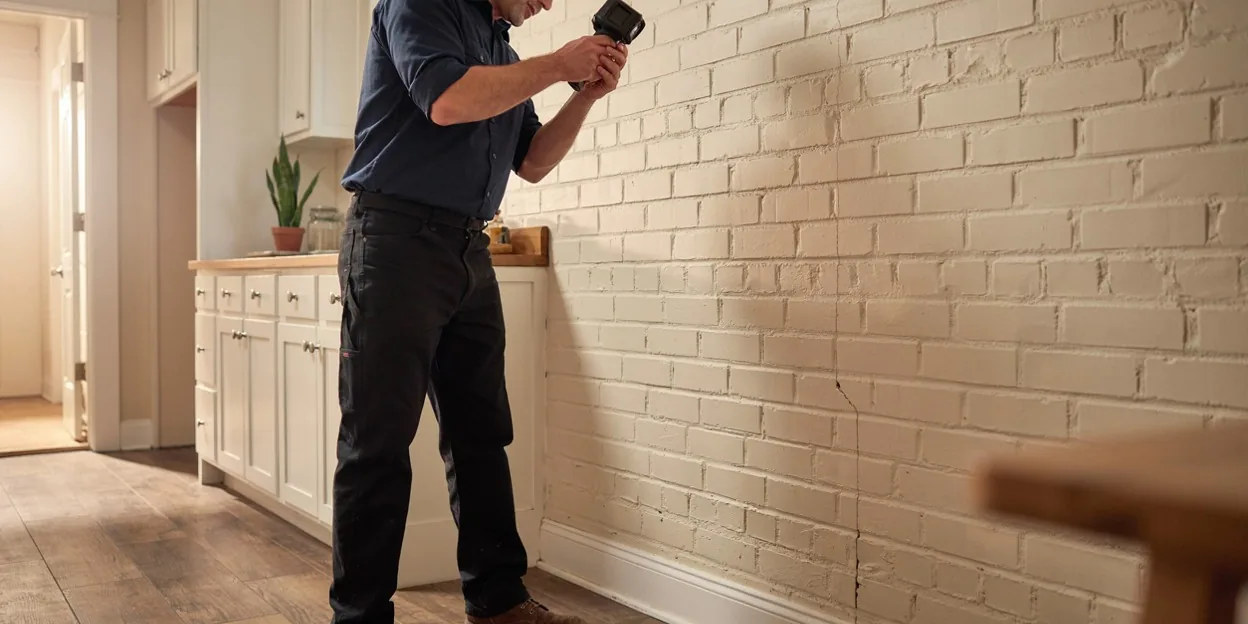
The Riverside Public Utilities bill came in at double the usual number, and nothing in the house is dripping. There is one patch of kitchen tile that feels warm barefoot, and the cat has started sleeping on it. In a slab house in Riverside, that warm spot is almost always a hot-water line leaking under the floor. This site routes your call to an independent local provider who does leak detection across Riverside and the western Inland Empire.
Reading the sidewalk meter before anyone opens the slab
The provider starts by closing every fixture and the irrigation controller, then watching the meter in the box at the sidewalk. If the low-flow indicator keeps turning, water is leaving the system somewhere. They shut the valve on top of the water heater to split the problem into hot and cold. Then the listening gear comes out. Acoustic equipment picks up the hiss of pressurized water escaping under concrete, and a thermal camera shows the warm streak a hot line leaves on the floor. Pressure testing each branch narrows it further.
One cut, in the right spot, is the aim. A slab leak reached through a single cut in the kitchen is a very different job from a floor opened in three rooms on a guess. Once the line is found and the plumber has it stopped, the wet flooring and drywall around it become slab leak water damage work.
Checking the meter yourself before the truck comes
Turn off every faucet, the ice maker, the pool autofill, and the sprinkler timer, then look at the meter at the sidewalk. If the small triangle or dial is moving, write down the reading and check it again in an hour. Take your shoes off and walk the floor, noting anywhere it feels warm. Look at the bottom of walls for a damp line, bubbling paint, or a baseboard that has pulled away. Do not start pulling up flooring. Photograph what you find and call.
Repair, reroute, or repipe: the three answers to a slab leak
Most of the house stays. The whole point of leak detection is that only the flooring and drywall around the break get opened. The plumber then has three choices: open the slab and repair the section, abandon the line under the floor and run a new one through the attic or the walls, or repipe the whole house. In a 1960s tract with pitted copper throughout, the reroute or the repipe is often the answer, because the next pinhole is already forming. The restoration crew works around whichever route is chosen and dries what the leak soaked.
Why the copper under Riverside tracts fails
Riverside's supply water is hard, drawn largely from wells in the Bunker Hill and Riverside groundwater basins, and it carries a lot of dissolved mineral. Over forty or fifty years that water pits copper from the inside, and the thin-wall copper used in many 1950s to 1980s tracts in Arlington, La Sierra, Magnolia Center, and the flats near Riverside Community Hospital goes first. Slab movement on the alluvial soils adds stress at every elbow, and the hot side fails before the cold side because heat speeds the pitting.
Older houses add a second pattern. The 1920s bungalows in the Wood Streets and downtown are raised-floor, so a leak there drips into the crawl space instead of soaking the slab, and the first sign is often a musty smell or a soft spot in the floor. Say the house is raised when you call.
Slab leak coverage under a California policy varies more than any other water loss. Some policies pay for access through the floor and for drying but not for the pipe itself, and many exclude a slow leak entirely. Ask the crew to document readings and photos before and after the repair.
Calling about a warm floor or a bill that doubled
Keep the address and the last two Riverside Public Utilities bills nearby, and know which floor is warm or which wall is soft. Mention whether the meter keeps moving with everything closed. Call (951) 631-2989 and tell us what you found.